
What will the project look like?

Spinosa Energy Center is a proposed energy storage facility designed to safely store and deliver energy to the electric grid when it is needed most.

The facility will include battery storage units and supporting electrical equipment that work together to safely store and release energy. Similar equipment is commonly found at electric utility facilities throughout the region.

The project will be located on approximately 35 acres of industrially zoned land south of Kell Boulevard and east of Allendale Road. The site will include fencing, landscaping, and other design features intended to help reduce visibility from nearby roads and properties where practical.

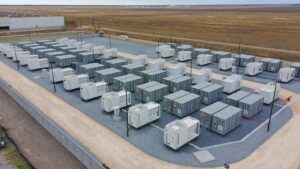
The image shown is East Point Energy’s Citrus Flatts project in South Texas, an existing and operating project with similar components. It is provided as an example of the types of equipment and overall appearance expected at Spinosa Energy Center.

How did you choose this location?

Selecting a site for a project like Spinosa Energy Center involves evaluating a number of factors, including access to existing electric infrastructure, land availability, environmental considerations, and compatibility with surrounding land uses.

The proposed site is located near existing transmission infrastructure, which allows the project to connect to and support the electric grid without the need for extensive new transmission development. The property is also zoned for industrial use, making it well-suited for this type of energy infrastructure.

By locating near existing electrical facilities, Spinosa Energy Center can efficiently store electricity and deliver it back to the grid when it is needed most, helping support reliable electric service for homes, businesses, and the broader community.

What considerations are being taken to ensure project safety?

Safety is a top priority throughout the development, construction, and operation of Spinosa Energy Center. The facility will be designed, built, and operated in accordance with applicable local, state, and federal requirements, as well as recognized industry standards for energy storage systems, including NFPA 855, the International Fire Code (IFC), UL 9540, UL 9540A, and other applicable safety and fire protection requirements.

The project will incorporate multiple layers of safety measures, including advanced monitoring systems, automated protective controls, fire detection equipment, and emergency response procedures. The facility will be continuously monitored and maintained to help ensure safe and reliable operation throughout its life.

East Point Energy will work closely with local fire departments and emergency responders to support planning, coordination, and training opportunities. This collaboration helps ensure first responders are familiar with the facility and prepared to respond effectively in the unlikely event of an emergency.

How does battery energy storage work?

A battery energy storage system acts like a reserve supply of electricity for the electric grid. The system stores electricity when it is available and delivers it back to the grid when demand increases, or additional power is needed.

By storing and releasing electricity at key times, projects like Spinosa Energy Center help grid operators balance electricity supply and demand, improve reliability, and support a more flexible and resilient electric system.

Energy storage can also help make better use of existing energy resources by ensuring electricity is available when homes, businesses, and communities need it most.

How does it benefit the electrical grid?

Battery energy storage helps balance the supply and demand of electricity on the grid. When electricity is abundant, the system can store it for later use. When demand increases or additional power is needed, that stored electricity can be delivered back to the grid.

This flexibility helps grid operators maintain reliable electric service during periods of high demand, severe weather, or unexpected equipment outages. Energy storage can also help reduce congestion on the electric system and make better use of existing transmission infrastructure.

As electricity demand continues to grow, energy storage is becoming an increasingly important part of a modern electric grid. By storing electricity and delivering it when it is needed most, projects like Spinosa Energy Center help support a reliable, resilient, and efficient energy system for homes, businesses, and communities.

How long will the Spinosa Energy Center operate? What happens at the end of its life?

Spinosa Energy Center is expected to operate for at least 20 years. Like many types of energy infrastructure, its operating life may be extended through routine maintenance, equipment upgrades, and the replacement or augmentation of components as technology continues to advance.

Over time, battery systems gradually lose storage capacity. However, operators can maintain performance through ongoing maintenance and periodic equipment replacements, allowing the facility to continue supporting the electric grid safely and reliably throughout its operational life.

At the end of the project’s useful life, the facility will be decommissioned in accordance with applicable regulations, permit requirements, and industry standards. Equipment will be removed from the site, and materials will be recycled, repurposed, or disposed of through approved facilities and processes. The site will then be restored in accordance with applicable decommissioning requirements.

How widely is battery energy storage used? What experience does east point have with these types of projects?

Battery energy storage systems are a proven and rapidly growing part of the nation’s electric grid. Today, energy storage projects operate across the United States, helping utilities and grid operators maintain reliable electric service, support growing electricity demand, and strengthen grid resilience.

Texas is a national leader in energy storage deployment, with battery storage projects operating throughout the state and continuing to expand as demand for electricity grows. These projects have become an important tool for supporting grid reliability, especially during periods of high demand, extreme weather, and changing energy needs.

East Point Energy has developed and advanced energy storage projects across multiple states. Examples include:

  • Brokenburg (2MW) owned by Rappahannock Electric Cooperative in Spotsylvania County, VA
  • Dry Bridge BESS (20 MW) owned by Dominion Energy in Chesterfield County, VA
  • Sunset Ridge Energy Center (10 MW) owned and operated by East Point Energy in Frio, TX
  • Citrus Flatts Energy Center (100 MW) owned and operated by East Point Energy in Harlingen, TX
  • (Under Construction) Evergreen Energy Center (20 MW) owned and operated by East Point Energy in Loudon County, VA.
  • (Under Construction) Railroad and Bethlehem Energy Center’s (40MW) owned and operated by East Point Energy in Prince William County, VA.
  • (Under Construction) Reid Energy Center owned and operated by East Point Energy in Prince William County, VA
Where can I go if I want to learn more about Battery Energy Storage Systems (BESS)?